
Choosing the right metal finish can transform an architectural detail, but understanding the difference between brass, bronze and bronze-effect finishes is just as important as selecting the colour.
Warm metallic finishes continue to play an important role in interior design, bringing depth, character and contrast to everything from commercial entrances and hospitality interiors to bespoke furniture and architectural detailing.
At Ash Architectural, we work with architects, interior designers, contractors and joinery manufacturers to create bespoke metalwork in a variety of materials and specialist finishes.
But when specifying brass or bronze, there's more to consider than appearance alone.
What's the Difference Between Brass and Bronze?
Although often grouped together, brass and bronze are different materials.
Brass is traditionally an alloy of copper and zinc, recognised for its warm, golden appearance. It can be polished to a bright reflective finish, brushed for a softer satin effect or treated to create an aged appearance.
Bronze generally refers to copper-based alloys, traditionally copper and tin. Depending on the alloy and surface treatment, bronze can offer rich brown, reddish or golden tones.
Both materials can develop natural surface changes over time, particularly when left untreated.
However, specifying a bronze finish doesn't necessarily mean the finished component needs to be manufactured from solid bronze.
There are several ways to achieve a bronze appearance, each with different manufacturing considerations, costs and visual characteristics.
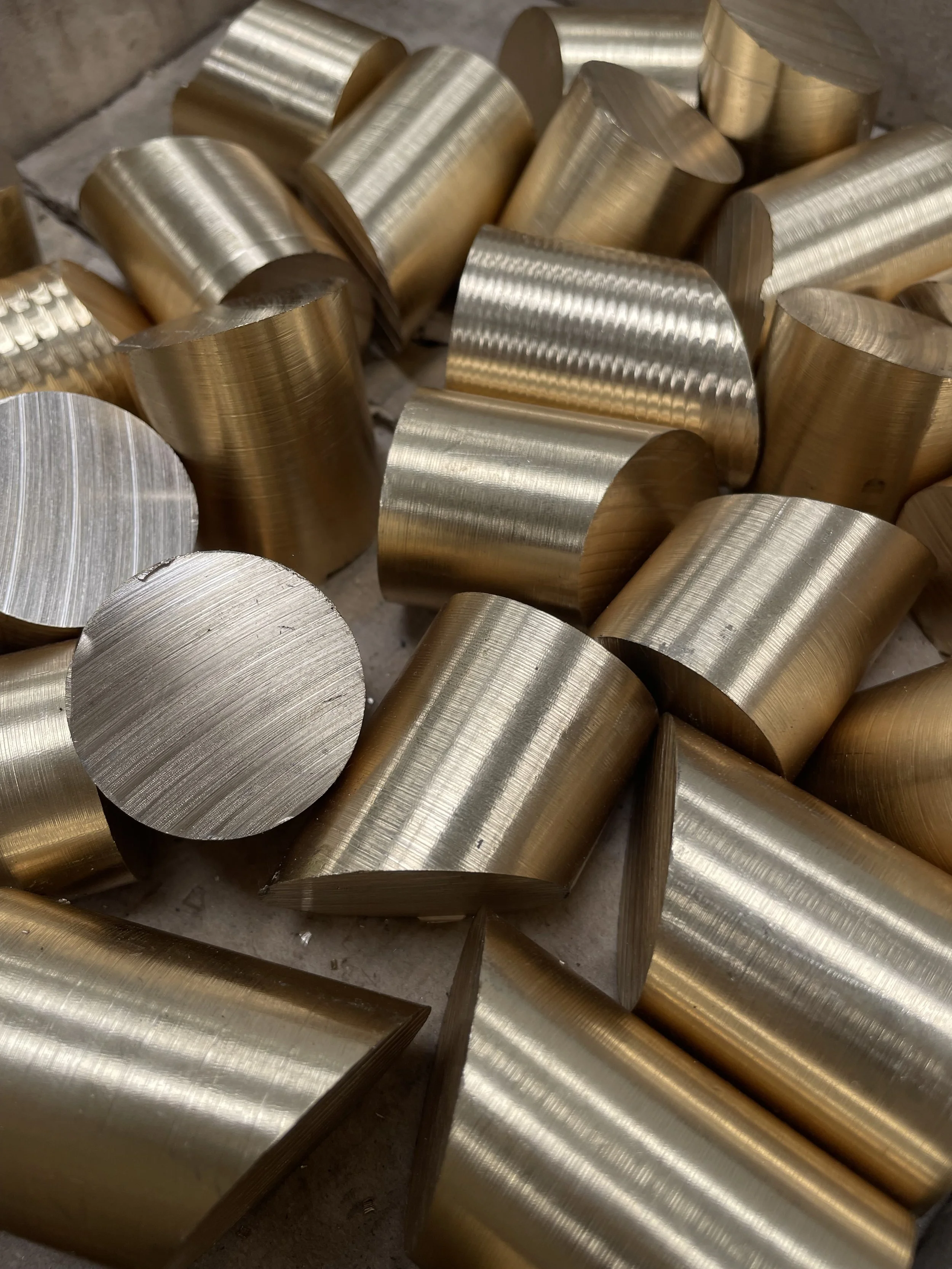
Exploring Brass Finishes
Satin Brass — Understated and Contemporary
Satin brass has a soft, brushed appearance that reduces the reflectivity associated with polished metal.
Its warm tone complements natural stone, timber, darker joinery and neutral interior palettes.
It's particularly suited to architectural trims, decorative frames, counter details and bespoke metal features where a refined finish is required without a high-gloss appearance.
Polished Brass — A Statement Finish
For projects requiring a more decorative appearance, polished brass offers a bright, reflective surface.
It can be particularly effective for feature details, reception counters, display components and statement architectural metalwork.
Polished finishes can show fingerprints and surface marks more readily, so maintenance and any protective treatment should be considered when specifying frequently touched components.
Aged and Weathered Brass — Warmth and Character
Not every project calls for the brightness of new brass.
Aged and weathered finishes introduce deeper tones, tonal variation and a more established appearance.
These finishes are particularly popular for hospitality interiors, heritage-inspired schemes and decorative features designed to complement timber, stone and textured surfaces.
The final appearance will depend on the finishing process and any protective coating applied.
Exploring Bronze and Bronze-Effect Finishes
Solid Bronze
Solid bronze offers the character and substance of a copper-based alloy.
Depending on the grade, environment and surface treatment, it can develop a natural patina over time.
It can be an appropriate option for selected architectural components where the material itself is central to the design specification.
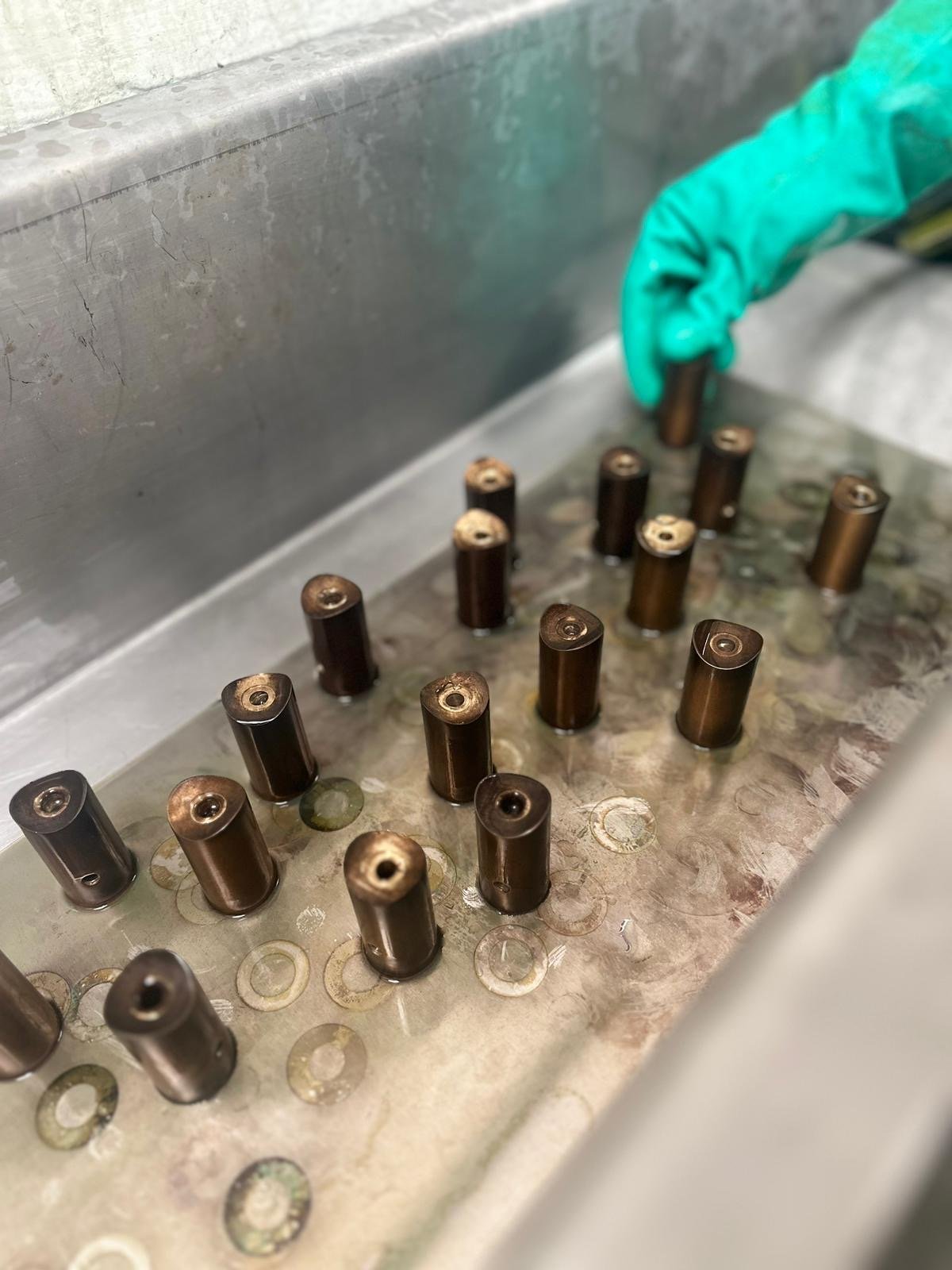
Bronze Patina
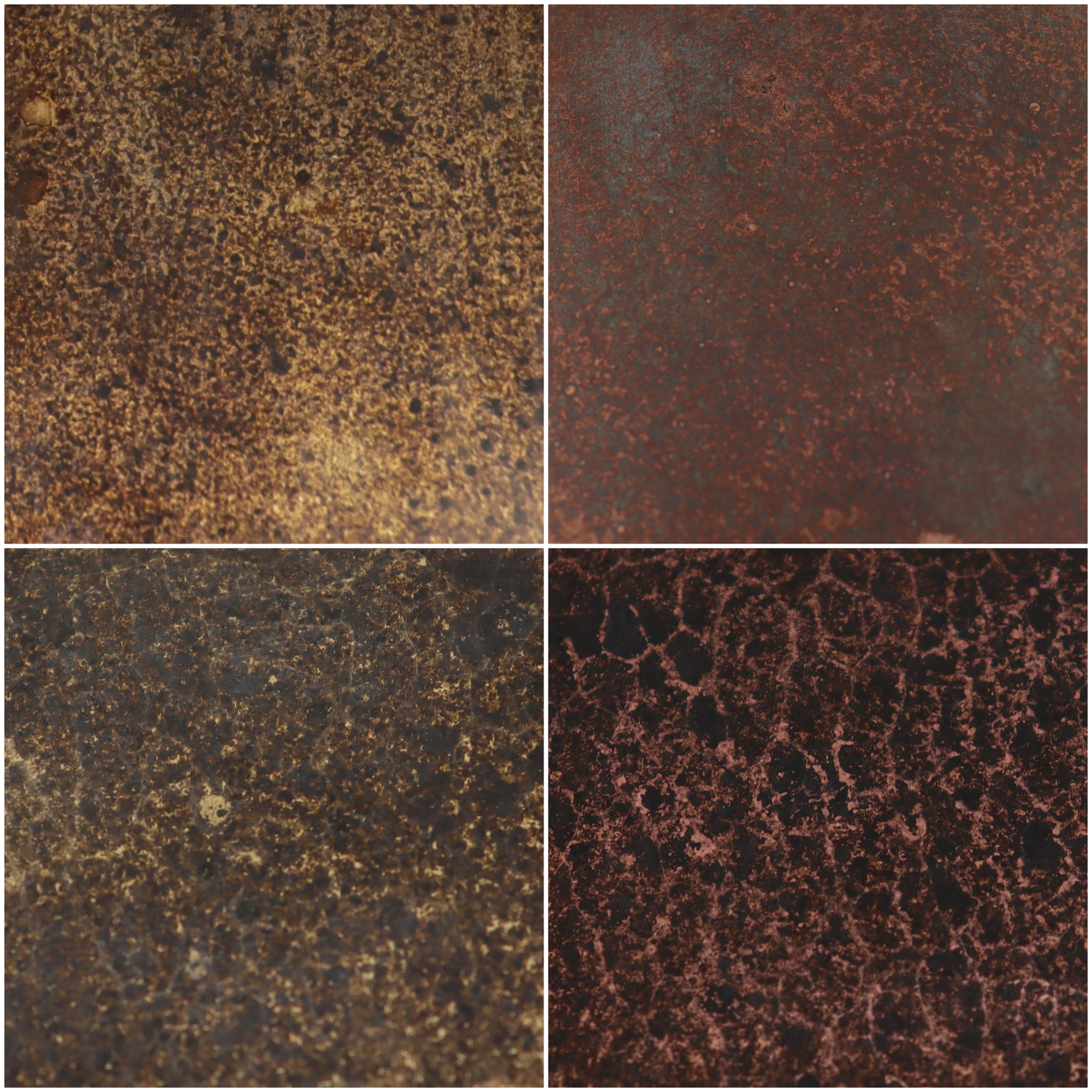
Bronze patina finishes can introduce darker tones, surface variation and an aged appearance.
They're particularly effective for statement metalwork, decorative panels and heritage-inspired interiors where a uniform factory-fresh finish isn't the intention.
Because patinated finishes can vary, physical samples are particularly important when agreeing the final appearance.
Bronze-Effect Powder Coating
Where designers want the appearance of bronze without necessarily specifying solid bronze, bronze-effect powder coating can offer an alternative.
At Ash Architectural, our bronze powder-coated finish range includes:
BPC1: A lighter bronze tone with a subtle, contemporary appearance.
BPC3: A warm mid-bronze, suitable for refined architectural detailing.
BPC5: A richer, deeper bronze tone.
BPC7: A darker bronze suited to more dramatic interior schemes.
BPC9: Our darkest bronze-effect option, ideal for bold architectural details.
These finishes can be considered for suitable fabricated metal components, including architectural trims, frames, feature panels and planters.
The appropriate coating system will depend on the substrate, environment and intended application.
Brass or Bronze: Which Should You Specify?
The right choice depends on the overall design intent and how the component will be used.
For a bright, reflective statement detail, polished brass may be the preferred option.
Where a softer, contemporary appearance is required, satin brass can work beautifully alongside timber, natural stone and textured finishes.
For darker, warmer architectural detailing, bronze patinas and bronze-effect coatings provide another range of possibilities.
It's also important to consider:
Location: Will the metalwork be used internally or externally?
Contact: Is the component decorative or frequently touched?
Consistency: Do several components need to match across a project?
Maintenance: Is a naturally changing surface acceptable?
Budget: Is solid metal essential, or could an appropriate decorative finish achieve the required appearance?
Understanding these requirements early can help avoid unnecessary compromises during manufacture.
Why Physical Finish Samples Matter
Choosing metal finishes from a screen can be difficult.
Lighting, surrounding materials, surface texture and reflectivity can all change how a finish appears.
A bronze that looks relatively light in natural daylight may appear considerably darker under warm interior lighting.
For this reason, we recommend reviewing physical finish samples alongside the other materials specified for a project.
Where multiple pieces need to coordinate, agreeing an approved finish sample before manufacture is particularly important.
Bespoke Brass and Bronze Metalwork, Made in Nottingham
At Ash Architectural, we manufacture bespoke metalwork around your drawings, dimensions and project requirements.
Our work includes architectural trims, decorative frames, counters, feature panels, shelving components and one-off fabricated details.
Working from architectural drawings, CAD details or project sketches, we can review material options and finishing requirements before manufacture.
With over 35 years of manufacturing heritage behind us, we understand that the small details often make the biggest difference.
Have a Project in Mind?
Whether you're specifying satin brass, exploring darker bronze-effect finishes or looking for a bespoke metal component manufactured to your design, we'd be happy to discuss your requirements.
Explore our bespoke brass and bronze metalwork or send us your drawings to discuss your project.
Ash Architectural | Bespoke Metalwork, Made in Nottingham